
Engaging in stretching and flexibility exercises is highly advantageous, even with restricted movement in any body part. Such activities can help prevent or slow down further muscle atrophy. There are four major target stages involved in the adaptive fitness training model. Of course, these four stages are essential for every special needs individual. There are genuine medical benefits even though everyone’s outcomes may vary, and nothing is assured with this modified approach to training. Pain management, cardiovascular endurance, functional strength development, mobility, and flexibility are some of the most important areas.
- Adaptive fitness apps and online platforms offer guided workout videos, modifications for exercises, and virtual classes that can be accessed from the comfort of home.
- They are particularly helpful for individuals who face physical limitations, such as seniors, people with disabilities, or those recovering from injury.
- If at any time, a movement feels way too easy, add an additional 5 reps to it and continue counting up from there.
- Bodyweight exercises such as wall push-ups or modified squats can also be part of an adaptive strength-building routine.
- At MadMuscles, we’re proud to use our expertise to support people with amputations and limited mobility — proving that training can be safe, effective, and empowering for all.
- The 21st century is an age in which fitness knows no boundaries thanks to adaptive technology and AI (Artificial Intelligence).
Understanding Adaptive Strength Training
Lastly, consider getting certified through our special needs certification program and learn how to design your own workout programs. This could involve selecting movements that do not exacerbate certain conditions and adapting exercises to suit restricted ranges of motion or other limitations. The key is to focus on what the individual can do, not what they can’t.
Designing Effective Circuit Training
Understanding adaptive fitness is about recognizing the importance of accessibility, inclusivity, and personalization in exercise programs. By incorporating adaptive exercises and equipment, we can create a fitness culture that supports diverse abilities and promotes holistic health for everyone. Crafting fitness programs that cater to a diverse range of abilities requires a strategic approach that emphasizes adaptability and inclusivity.
For example, chair yoga allows individuals to perform yoga poses while seated, providing support and reducing the strain on joints. This makes it easier for individuals with mobility challenges to benefit from yoga’s ability to enhance relaxation, flexibility, and overall well-being. Staying safe while engaging in adaptive physical activities is essential for a positive experience and effective results. One of the most important safety tips is to warm up before starting any exercise routine. Warming up helps prepare your muscles and joints for movement, reducing the risk of injury. Simple movements like shoulder rolls, gentle stretching, or walking in place can help get your body ready for more intense activity.
How often should someone with a disability do cardio workouts?
For those new to adaptive fitness, having a professional by their side can make a significant difference in building confidence and achieving their health goals. Inclusive fitness programs are designed to be accessible for everyone, creating an environment where individuals of all abilities can come together to achieve their fitness goals. Whether it’s through an adaptive dance class, a group yoga session, or a community walking group, these activities foster a sense of belonging and camaraderie among participants. Water aerobics is another popular adaptive physical activity that is easy on the joints while offering an effective cardiovascular workout. The buoyancy of water helps reduce the impact on the joints, making it an ideal option for people with arthritis or joint pain. Participants can perform exercises such as water walking, leg lifts, or arm movements to enhance cardiovascular health in a supportive environment.
Build a Supportive Community
Our original bodyweight workout from 2009 is a great step up from the beginner bodyweight workout when you’re ready for more of a challenge. It has roughly the same structure but with some more challenging variations of the exercises. Pick a plan that fits your schedule and equipment, then progress it week to week. Train with enough volume to drive change if physique is your goal, or use strength focused programming when you want a bigger squat, bench, or deadlift.
Customized programs can help improve strength, flexibility, and cardiovascular health, enhancing overall quality of life and independence. Post-injury exercise can still challenge the body in meaningful ways when alternative movements are chosen carefully. Exercise modifications by age also encourage respecting natural energy levels and recovery capacity. Redirecting attention toward what is safe builds consistency and reduces frustration. Maintaining routine supports mental health as much as physical health, reinforcing a sense of momentum during recovery. Physical exercise plays a crucial role in the life of an individual with special needs, contributing significantly to overall well-being.
We Work With 40+ Conditions
That includes whether you have experienced a traumatic brain injury, are missing a limb, or have limited mobility. When training an individual with disabilities, the focus is typically the same as any other adult. Create programs that support mobility, strength, and endurance and that help your clients remain physically active in daily life. Cultivate a supportive and encouraging environment where everyone feels valued and welcome. Organise group classes designed for adaptive fitness or create inclusive sessions where individuals of all abilities can participate and collaborate.
Levels of care
True progress happens when you blend AI precision with human empathy. Use AI for daily tracking and a certified adaptive trainer for monthly feedback. They make exercise accessible, effective, and inclusive for everyone from beginners to seniors in recovery.
Aging and getting fit is easier with AI & adaptive workouts
Adapting workouts to suit individual fitness levels is a powerful approach that ensures everyone can participate in a safe, effective, and enjoyable manner. Join us at Fit Body Arizona and sign up for the 28-Day Transformation Jumpstart program to kickstart your fitness journey – we’re here to support you every step of the way. Flexibility in workout design ensures that routines remain challenging and appropriate as fitness levels advance. Beginners can use basic modifications, while more experienced exercisers can explore complex variations to continue pushing their limits.
Children with Special Needs
Whether practicing sit‑to‑stand transitions, balance steps, or reach‑and‑grip drills, trainers emphasize form first and intensity second. Absolutely, progressive overload works at every ability level increase reps, resistance, or time gradually. Physical therapy treats medical issues; adaptive fitness builds long-term function and confidence using similar movement principles. The side plank is a very difficult adapted fitness exercise to perform because you must support your entire body with your core and shoulder.
Dancing to music helps release endorphins, which improve mood and create a sense of happiness. Beyond the physical benefits, adaptive activities also contribute to mental and emotional well-being. Exercise releases endorphins, which boost mood and reduce stress, and participating in group classes provides social interaction, which can help reduce feelings of loneliness.
What is adaptive cardio training?
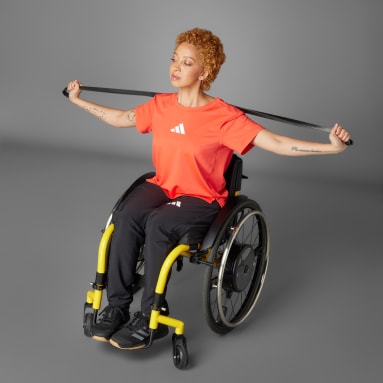
Adaptive fitness is revolutionizing the way individuals with special needs build strength, confidence, and independence. With the right approach and professional guidance, special needs exercise transforms not just bodies—but lives. Seated resistance exercises are another key element, allowing seniors to build muscle strength without complex equipment. Resistance bands or light weights can be used to perform exercises targeting major muscle groups, boosting both strength and endurance. Additionally, adapting exercises reduces the likelihood of discomfort and potential injuries, particularly for those with health considerations or physical constraints. Understanding when and how to modify exercises for safety and effectiveness is key to ensuring a safe and impactful fitness journey.
The advantages of customizing workouts extend into motivation and consistency. When fitness routines align with personal goals and result in visible progress, individuals are more likely to remain dedicated and enthusiastic about their exercise regimen. This sense of achievement fuels ongoing commitment, health and fitness apps creating a positive cycle of engagement and improvement.