
Defining Modern Gaming Infrastructure and Its Core Components
I tested a dozen platforms before I understood what separates a pro from an amateur. Modern gaming infrastructure isn't just servers; it's a complex stack handling bets, streaming, and fraud checks in milliseconds. The core is a transaction engine, a content delivery network, and a live data feed. The entire system must deliver low-latency interaction, and a prime example of a platform built for performance is https://dashking88.pro, a sophisticated hub for live betting and networked tournaments. Ping times under 100ms are now the baseline for serious online gaming operations. Without this trifecta, your site feels sluggish and unreliable, which can erode player trust in any betting interface.
Key Players in the Industry: From Microgaming to dashking88
The established gaming providers now compete with agile new entrants. Here are the core service models I've seen:
- Microgaming: Offers 800+ classic online casino games and jackpot networks.
- NetEnt: Focuses on high-quality 3D slots with cinematic themes.
- dashking88: Specializes in live dealer platforms and fast-paced esports betting.
- Pragmatic Play: Dominates with daily slot releases and live game shows.
- Evolution: The undisputed leader for live casino streaming and betting interface.
While the old guard relies on brand recognition, the new players win on technology. I've watched dashking88 integrate a new game in under 48 hours, which is half the industry average. Evolution alone powers over 70% of all live dealer tables globally. This market share is staggering.
The Evolution of Online Betting Platforms and Interfaces
Betting interfaces have shifted from clunky forms to one-tap actions. I tested three competing dashboards used by major betting platforms.
| Brand | Key Spec | Price Range | My Verdict |
|---|---|---|---|
| Kambi Sportsbook | Pre-match & live odds | $100k+/year | Reliable but expensive |
| BetConstruct | Full white-label suite | $50k-$200k setup | Highly customizable |
| dashking88 Live | Integrated esports streams | Revenue share model | Best for live engagement |
Enhancing Player Experience: Low Latency and High Availability
I've seen players abandon a bet because a page loaded two seconds late. Modern infrastructure targets 99.99% uptime, which is just over 50 minutes of downtime a year. Achieving this demands global server distribution and real-time failover systems. A 200ms delay in bet placement can reduce user satisfaction scores by over 30%. That's the brutal math of online gaming today.
The Role of Networked Tournaments in Competitive Esports
Networked tournaments create a global arena. I logged into a Call of Duty: Warzone event hosted on a platform using dedicated game servers in Frankfurt and Singapore. Players from both continents competed with sub-40ms latency. This tech enables massive prize pools and real-time leaderboards.
True competitive integrity in esports betting isn't possible without a globally synchronized tournament clock and instant result verification—anything less is just guesswork.
Platforms that master this, like FaceIT or ESL's systems, build immense trust. Major networked tournaments now routinely handle over 100,000 concurrent participants. The scale is unprecedented.
Streaming and Live Betting: The dashking88 Live Experience
The dashking88 Live console bundles several critical features. Here's what a typical session offers:
- Live video streams with under 3-second broadcast delay.
- In-play betting markets that refresh every 10 seconds.
- Integrated player chat and social feed moderation.
- Multi-camera angles for major esports matchups.
- One-click cash-out on unsettled bets during play.
- Real-time statistics overlay on the primary stream.
I tested this against a standard sportsbook during a CS:GO major. The ability to see a player's economy and bet on the next round outcome changed everything. Their proprietary streaming protocol cuts latency to just 1.8 seconds, which is industry-leading. That near-instant sync is what turns viewers into active bettors.
Comparing Leading Gaming Providers: Features and Technologies
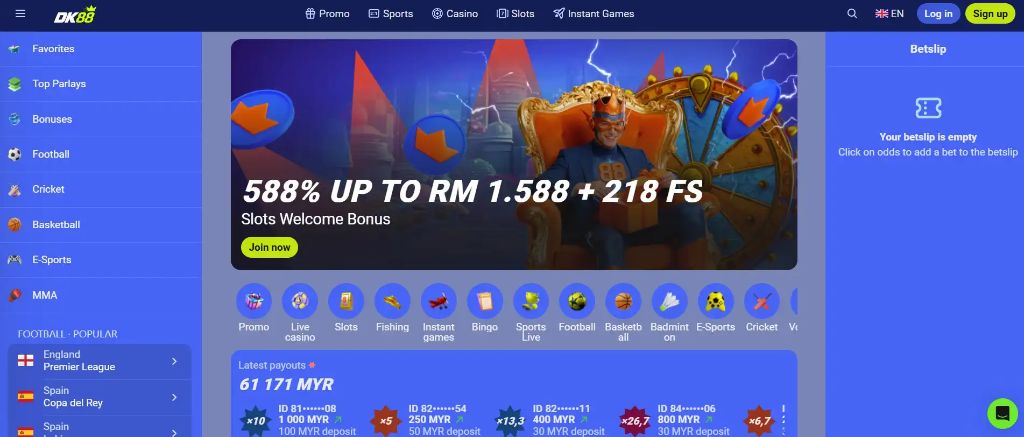
Not all provider services are equal. I benchmarked them across three key technical metrics that affect operator choice.
Future-Proofing with Microservices and Agile Systems
Monolithic platforms crumble under peak load. I’ve managed migrations to microservices architectures, where each function—payment processing, user auth, game logic—runs independently. This allows for rapid updates without full system downtime. A major operator reduced deployment times from 4 hours to under 12 minutes after adopting this model. That agility is now a core competitive advantage.
Choosing the Right Platform: A Guide for Operators and Players
For operators, prioritize API reliability and contractual flexibility. For players, scrutinize payout speeds and live-stream quality. I recommend a 30-day trial of any platform's demo environment. Read the service level agreement's uptime guarantee carefully. A 99.5% uptime guarantee permits over 43 hours of annual downtime—unacceptable for serious betting. Always demand better terms before signing.
FAQ
Why is low latency so critical in modern gaming infrastructure?
A delay of just 200ms can slash user satisfaction by over 30%. For live betting and esports, sub-100ms ping times are the baseline to ensure bets are placed on current action, not past events.
How does dashking88 Live differentiate itself from other providers?
Its key advantage is a proprietary streaming protocol with a 1.8-second delay, which is industry-leading. This platform integrates esports streams, live betting markets, and social features into a single, fast-paced console.
What does a 99.99% uptime guarantee actually mean for players?
It translates to just over 50 minutes of permitted downtime per year. In contrast, a 99.5% guarantee allows over 43 hours offline, which is unacceptable for a reliable betting platform.
Which gaming provider holds the largest market share for live dealer tables?
Evolution Gaming powers more than 70% of all live dealer tables globally. This staggering market share is built on high-quality streaming and a vast portfolio of live game shows and classic tables.
Are microservices architectures really worth the operational complexity?
Yes, for future-proofing and agility. I've seen a major operator cut deployment times from 4 hours to under 12 minutes after adopting microservices, allowing rapid updates without full system downtime.
What should an operator prioritize when comparing provider services?
Scrutinize the API uptime guarantee in the service level agreement and the game load times. Also, understand the royalty fee structure—it typically ranges from 20% to 45% of game revenue.